Reggae Anthology
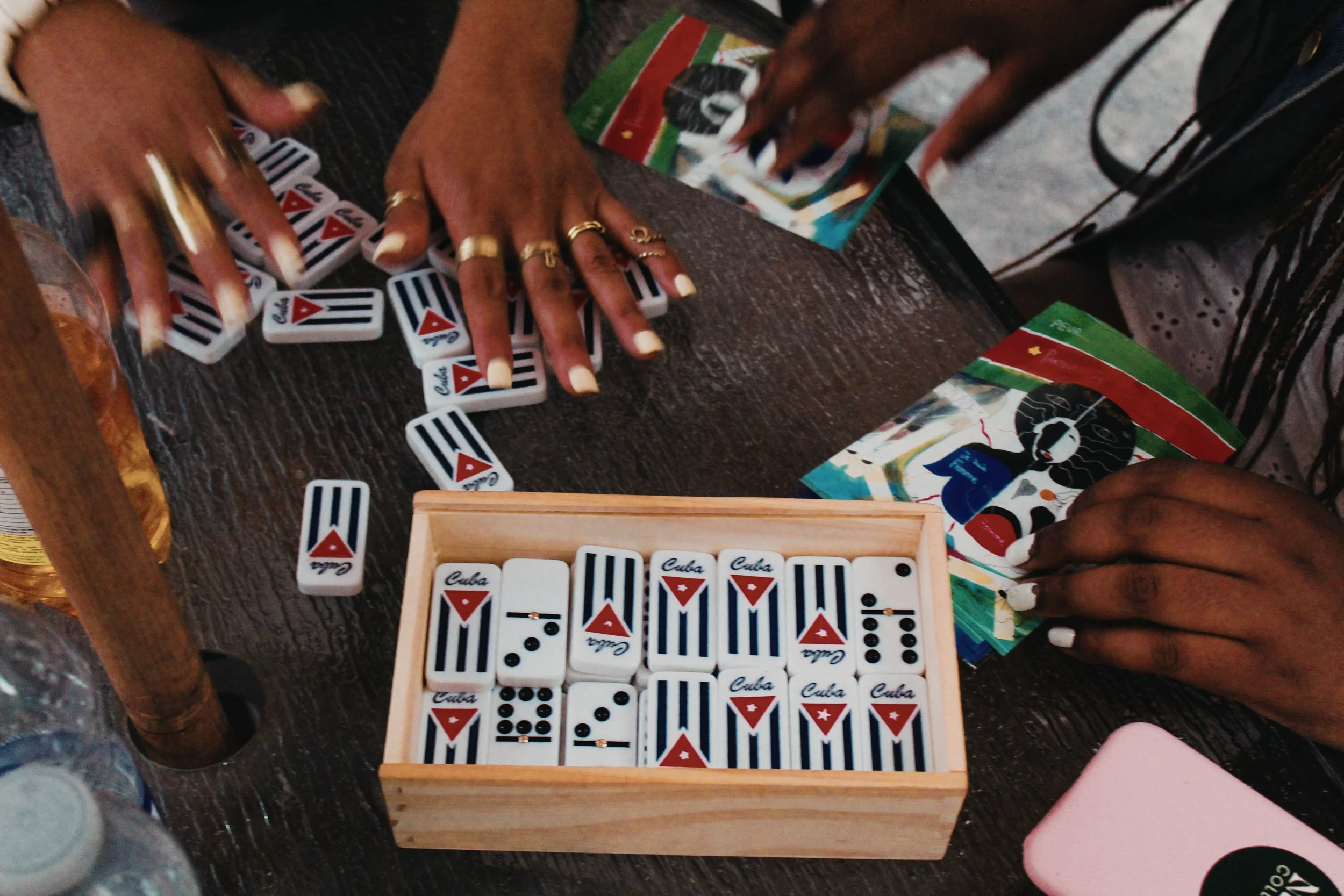
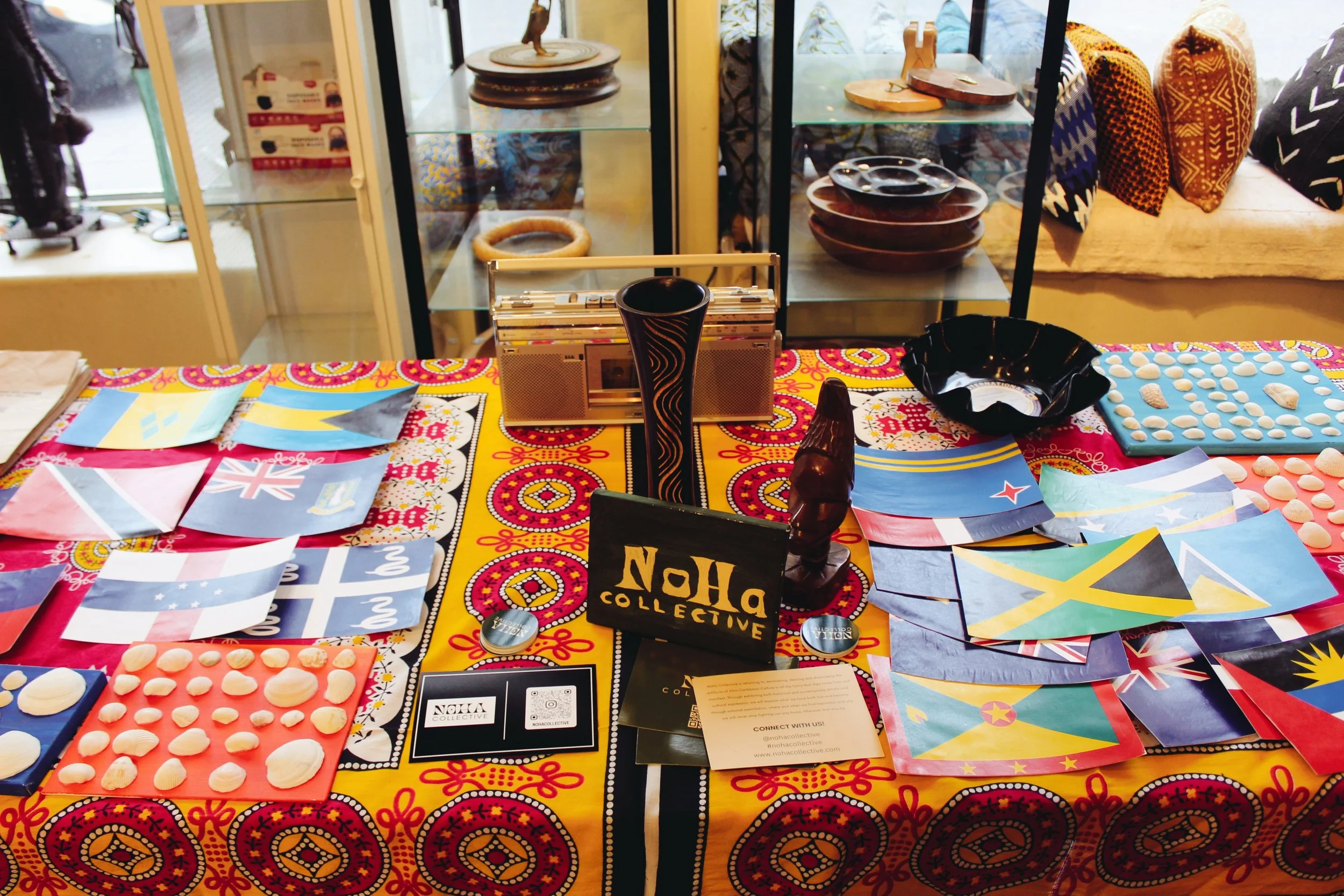
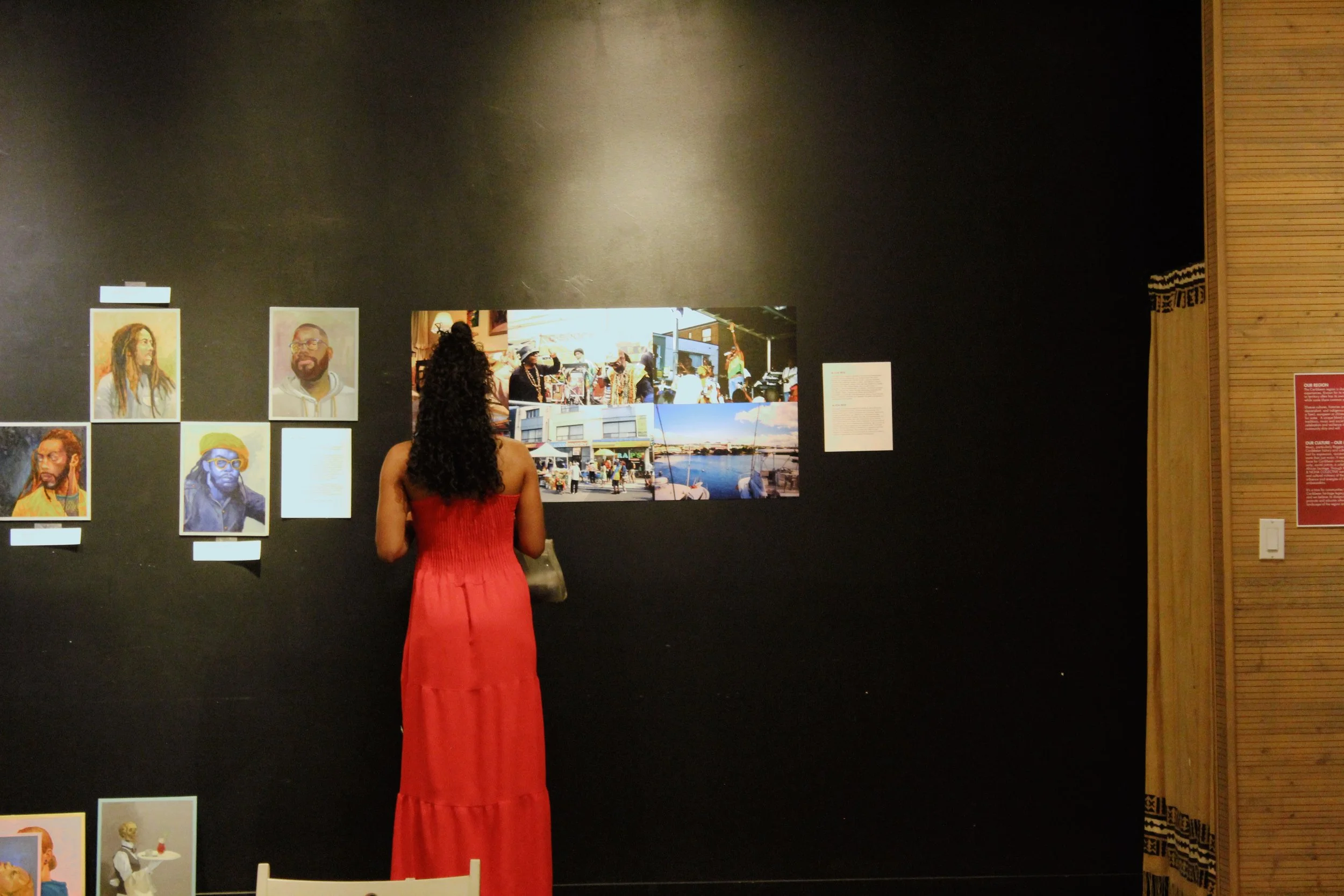
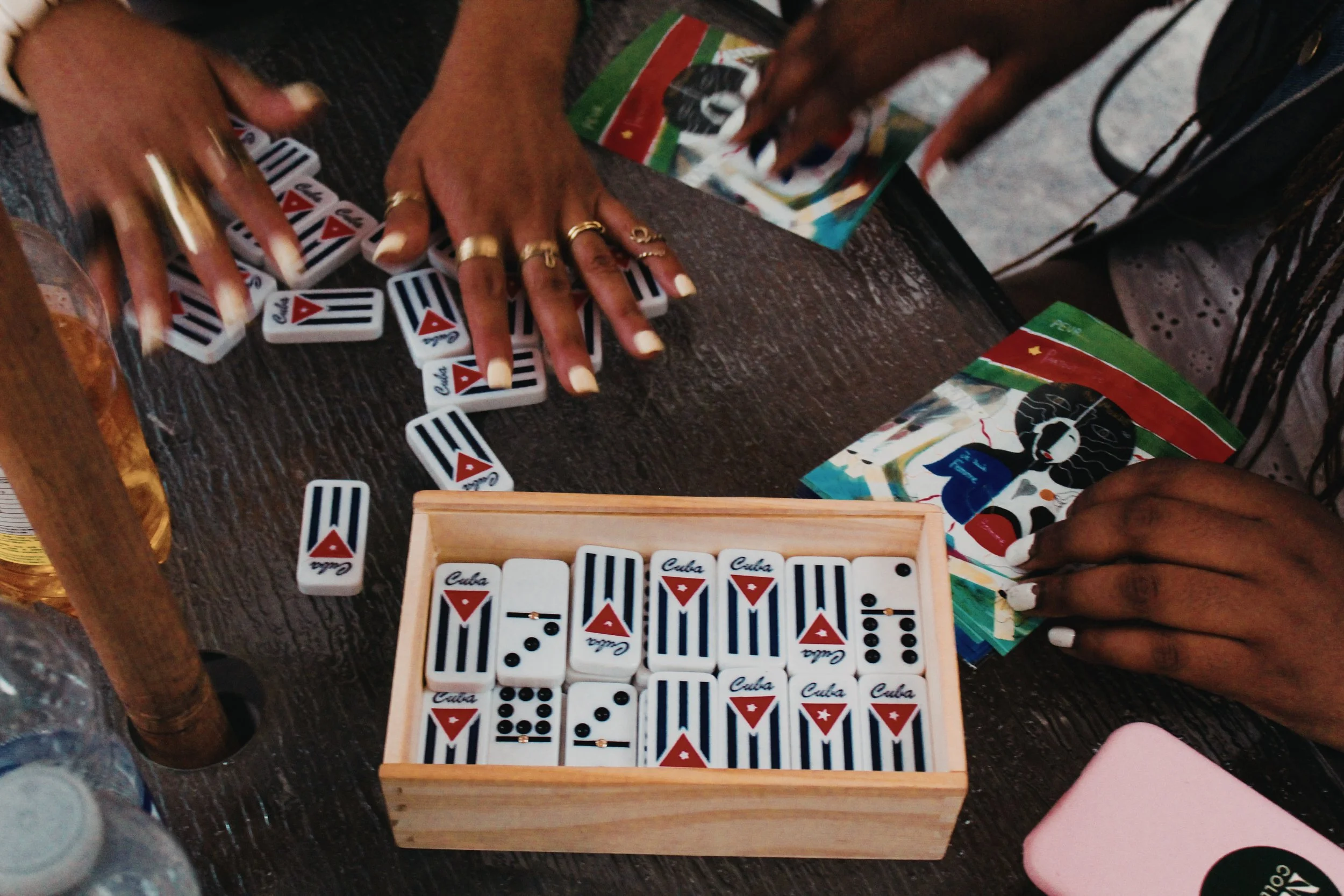
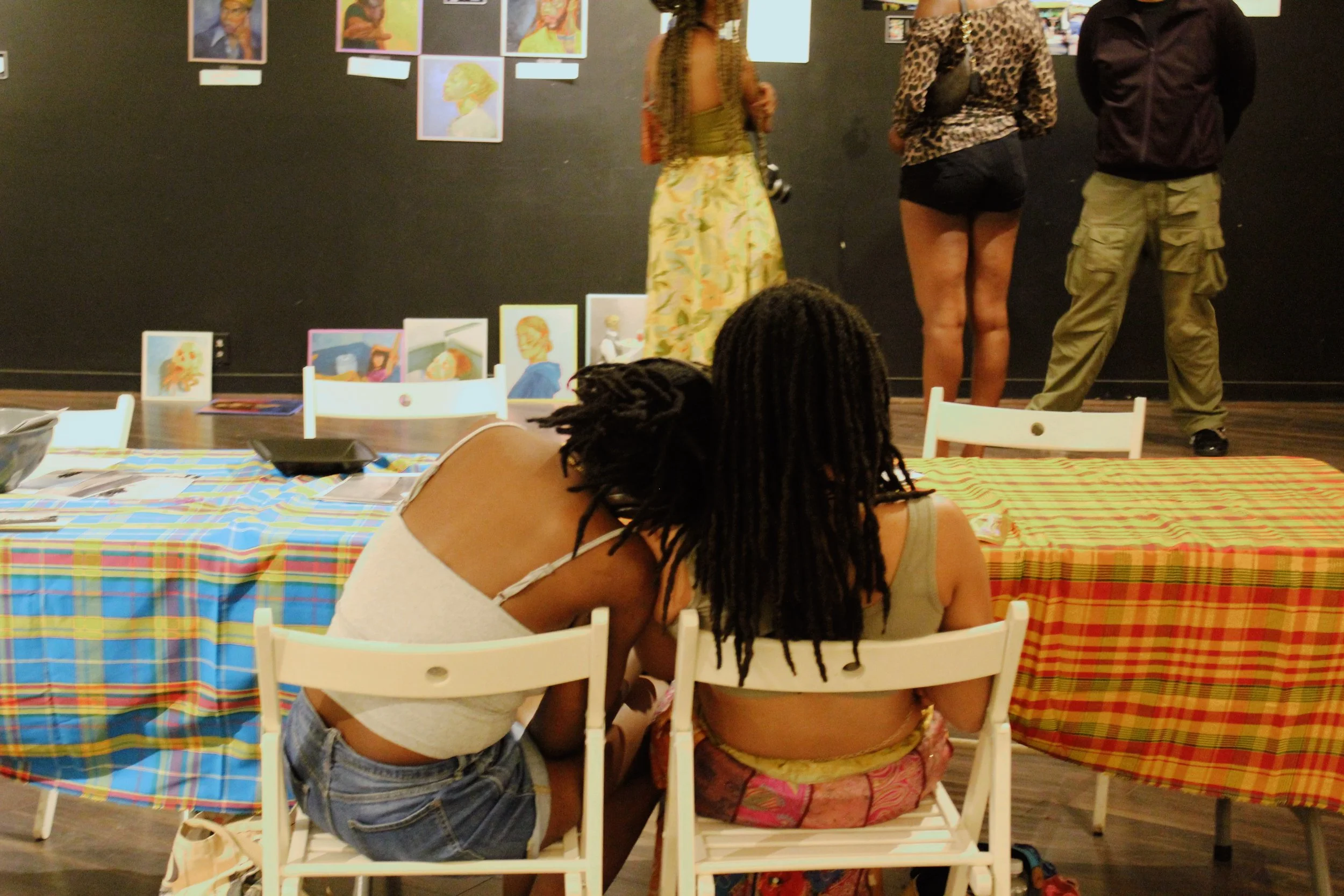
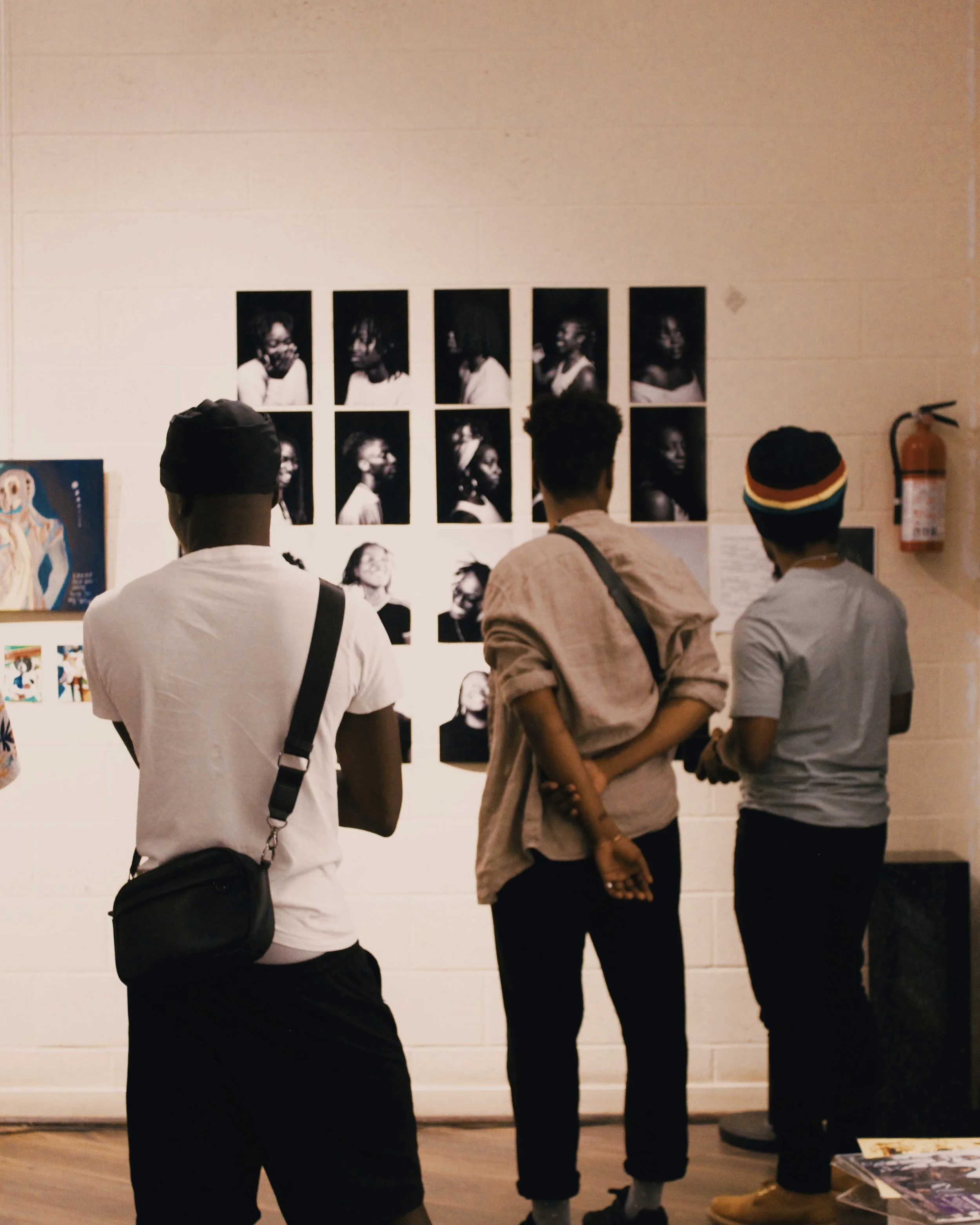
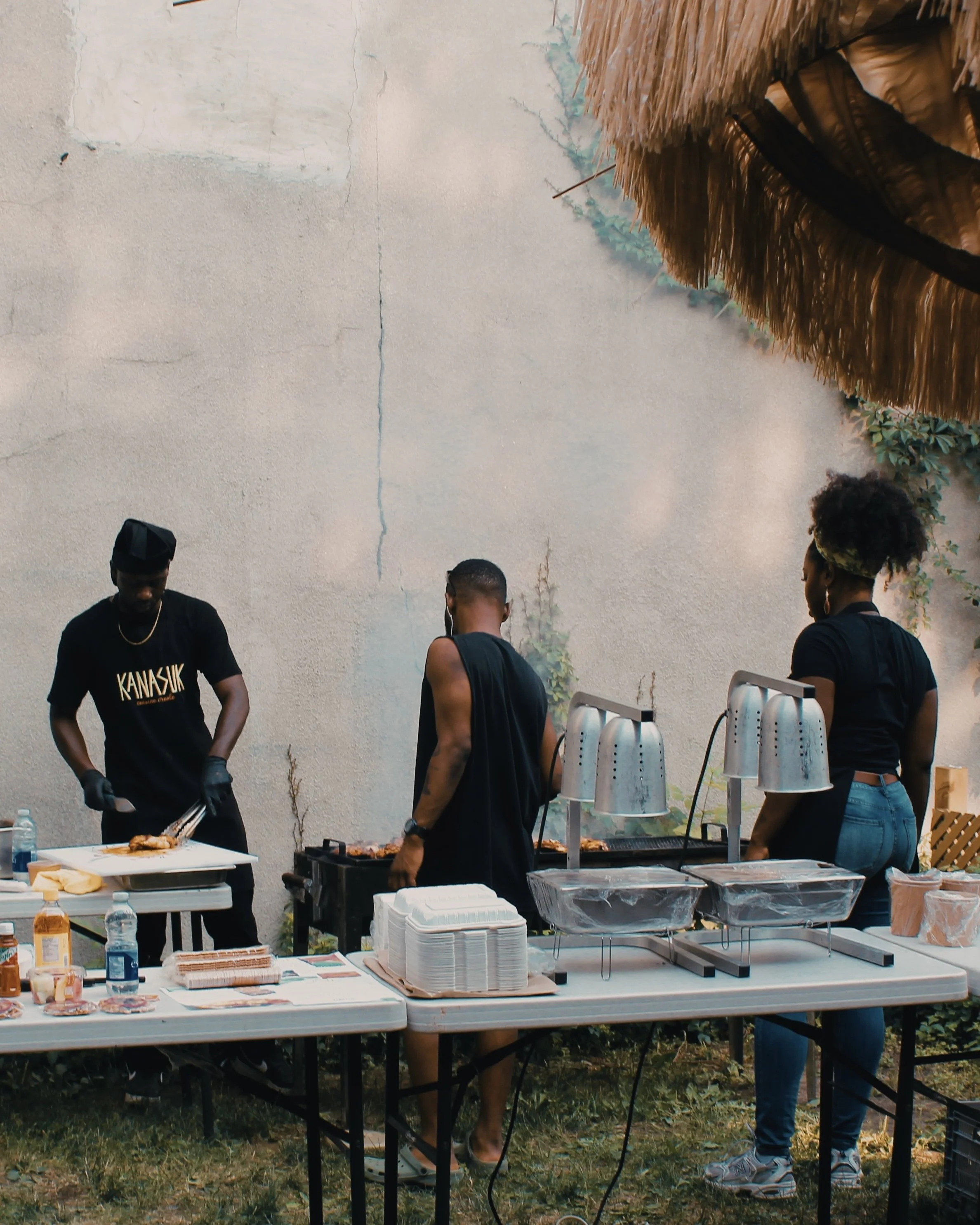
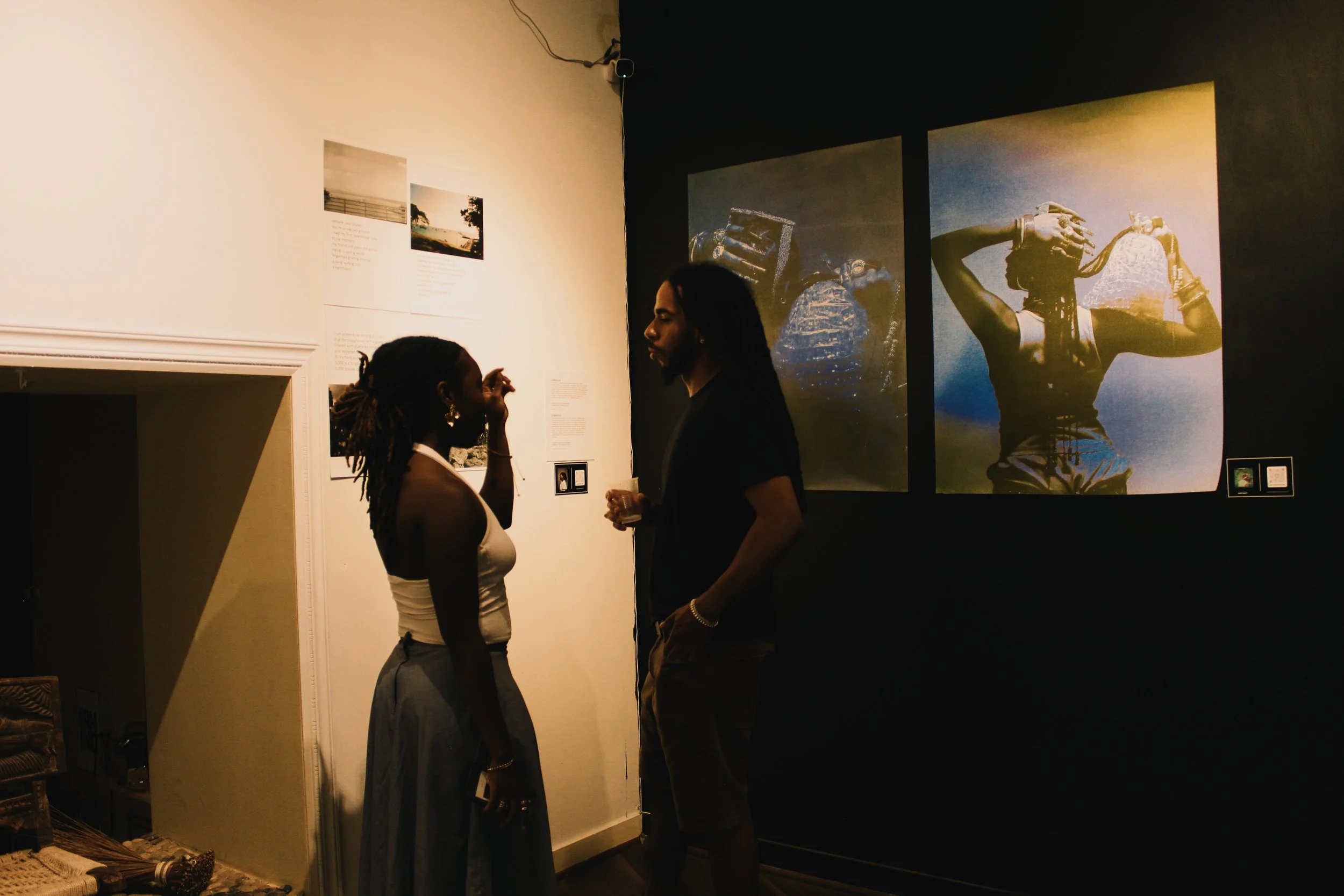
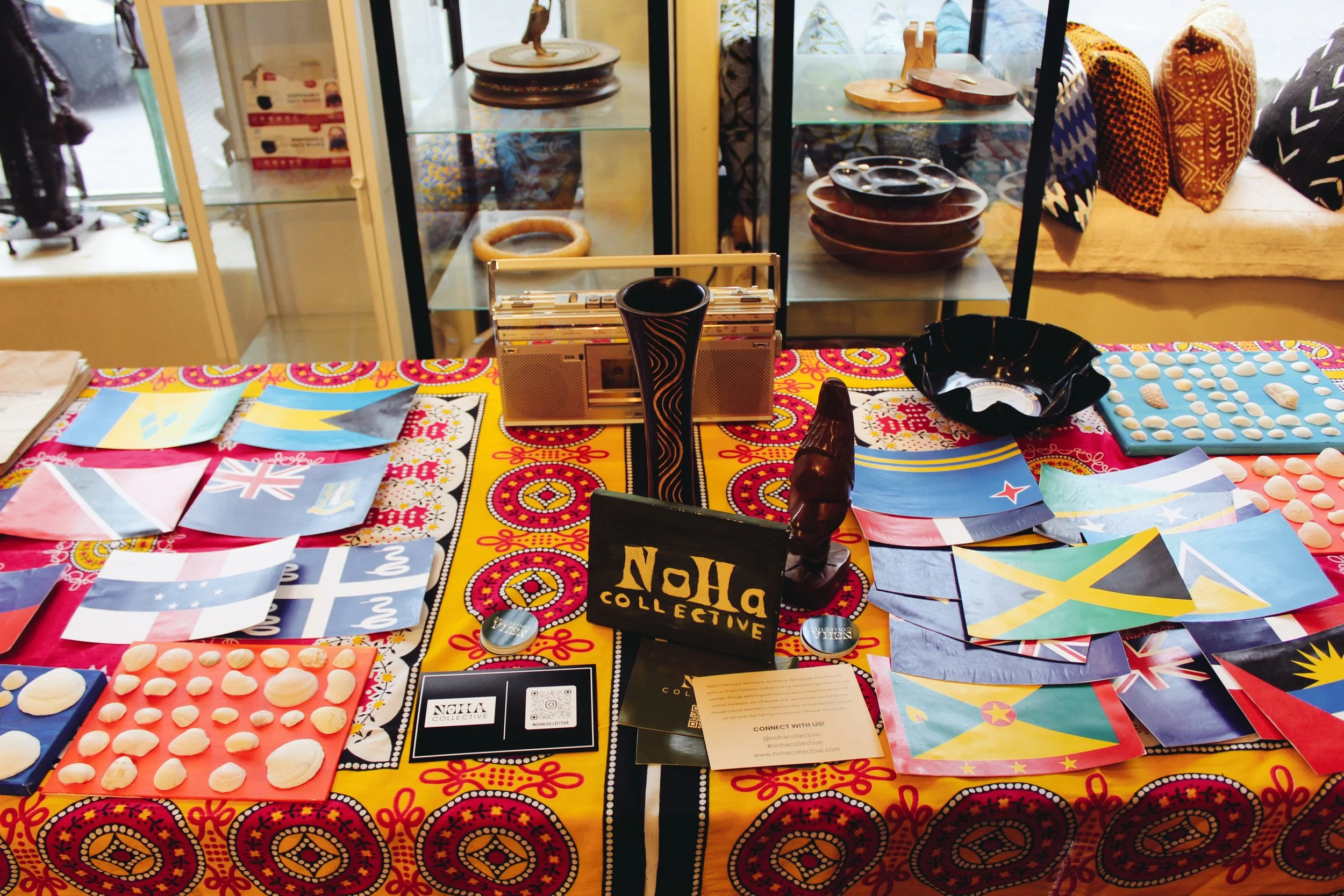
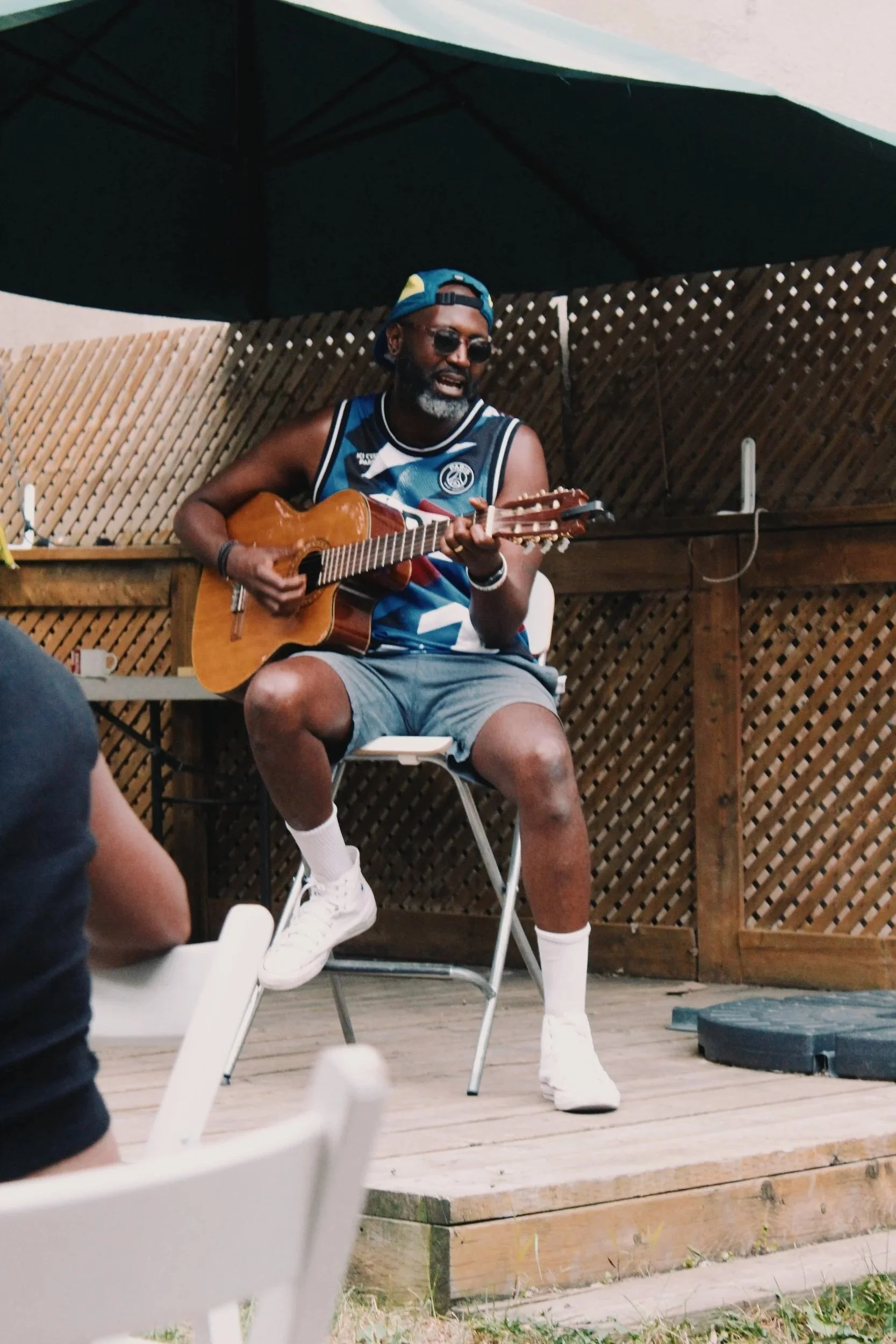
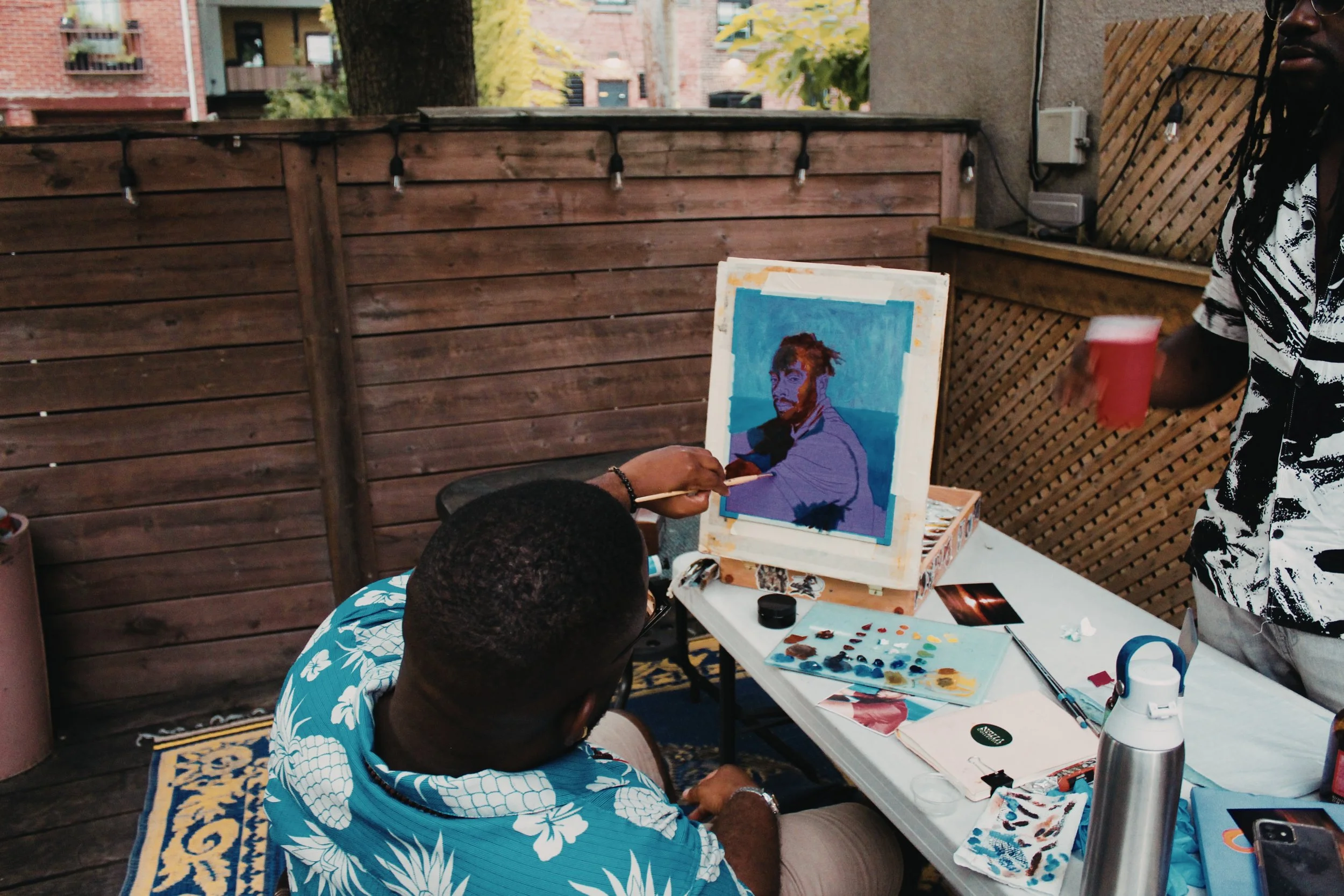
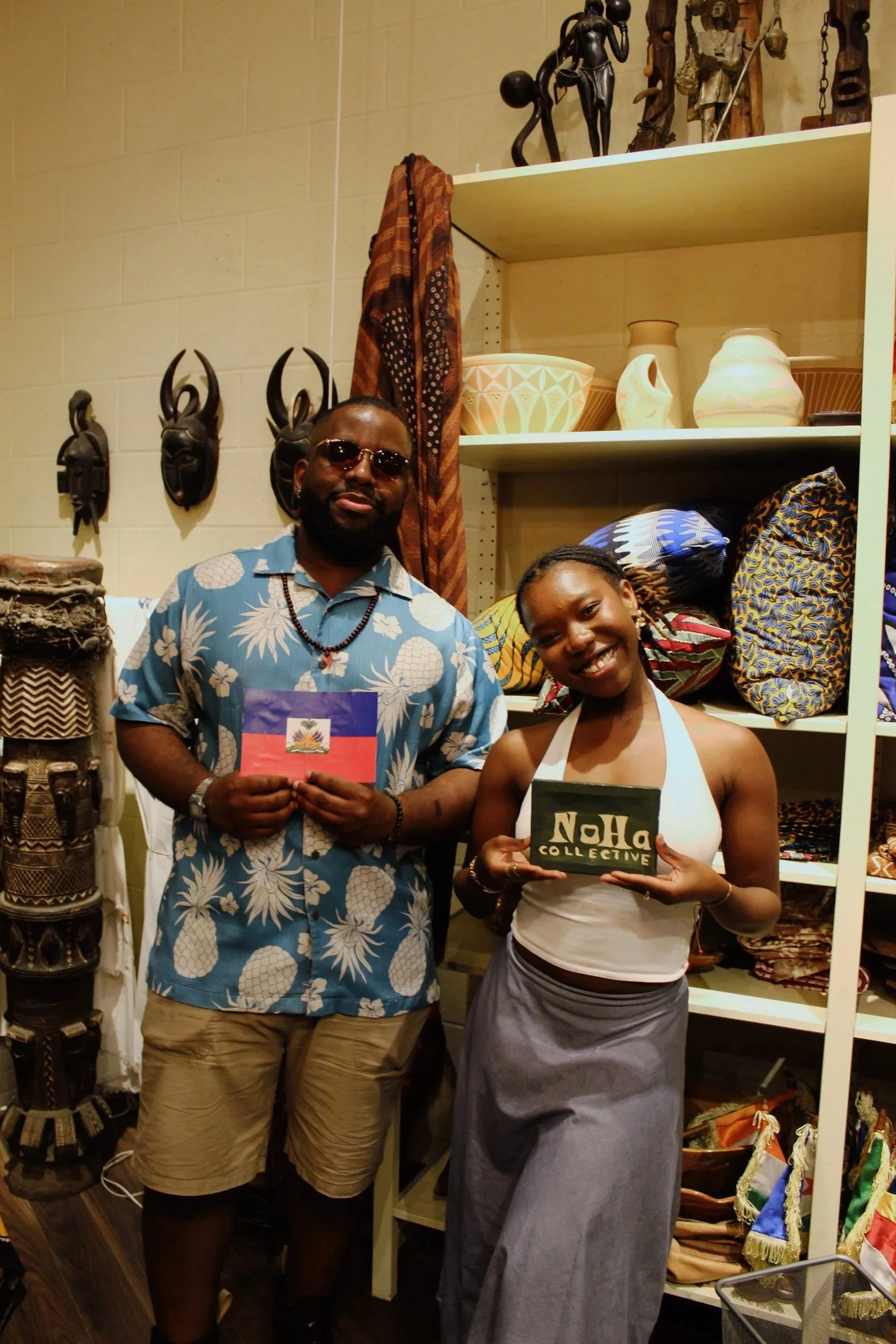
Reggae Anthology is a gallery and mixer dedicated to celebrating reggae music and Caribbean culture. Our goal is to celebrate and showcase the diversity and cultural richness of the Caribbean alongside its diasporas and cultural ambassadors.
Listen to our playlist of Reggae Hits.
Our region
The Caribbean region is shaped by its unique historical experiences. Known for its multiculturalism, each island or territory often has its own distinct cultural identity while some share common experiences.
Diverse cultures, histories and traditions formed by Afro-descendant and indigenous customs and practices plus a Tamil, european or chinese influence and contribution for some. A unique blend of languages, culinary traditions, music and social customs. Vibrant spirits of celebration and resilience often expressed through arts, community duty and will.
Our culture – Our music - Our people
Music, particularly Reggae, has been significant in Caribbean history and culture, serving as a powerful tool for expression, resistance, and celebration. It's more than just music; It represents a powerful cultural force for Caribbean communities, a voice for peace, unity, social justice, a celebration of our roots and African heritage.
Through this collaboration BAM.IND & NOHA COLLECTIVE want to showcase the diversity and cultural richness of the Caribbean as well the influence and energies of its diasporas and cultural ambassadors.
It's a time for communities to unite, share their Caribbean heritage legacy that is constantly evolving and we believe its diaspora will preserve, celebrate, promote and educate others about the cultural landscape of the region and beyond.

REGGAE MUSIC
Reggae Music is rich in its history, pride, and impact. The genre is celebrated across the globe and feels like home to Caribbeans across the diaspora. Born from the social and economic challenges of post-war Jamaica in the 1970s, it has become a powerful voice for love, resistance, and spirituality. Reggae is rooted in mento, ska, rocksteady, Trinidadian Calypso, and American rhythm and blues. Together, these genres developed the fundamental rhythmic and melodic patterns of reggae music.
As Mento, Jamaican folk music, declined in popularity through the 1960s, Ska quickly took its place. The lively style of ska music was played in dancehalls and through sound systems across the island, which reflected the essence of Jamaica's newfound independence. In the mid-1960s, Jamaica began to experience a social decline, which was reflected in the music. The rise of violence and economic hardship influenced players to slow down their rhythms and bring forward rich bass lines and guitar melodies as they embraced introspective and emotional tones. This evolving era was reflected through the emergence of Rocksteady. Although short-lived from 1966 to 1968, the genre introduced a new style that emphasized a slower tempo and lush vocal harmonies, setting a new standard for Jamaican music. Rocksteady’s rise soon gave way to a movement that carried deeper rhythms and profound messages. The spirit, sound, and social roots of Jamaica’s rich musical and cultural history gave rise to a new musical movement – Reggae.
Many credit Toots and the Maytals, a popular ska and rocksteady band, for naming the genre in their 1968 single “Do the reggay”. Toots and the Maytals, Joe Higgs, Lee “Scratch” Perry, Bunny Wailer, Coxsone Dodd, and Bob Marley are just a few pioneers who helped shape the sound and legacy of reggae music. A pivotal development in Reggae culture was the deep and inextricable link to Rastafarianism. Although the religion traces its roots to 1930s Jamaica, Rastafarian thought, dress, and lifestyle became integral to this emerging genre and movement. In 1996, Emperor Haile Selassie I of Ethiopia visited Jamaica as a state guest and was met by a crowd of over 100,000 people. This visit affirmed and energized the beliefs of the Rastafari movement, solidifying its cultural influence in Jamaica. Rastafari principles are centred on themes of African identity, resistance to oppression, and spiritual consciousness. These elements soon became deeply embedded in the lyrics and cultural aesthetics of reggae music. As a result, the genre emerged as a powerful global voice for Rastafarian philosophy and culture.
Reggae music is built around three principal rhythms, shaped by the interplay of percussion, bass guitar, keyboard, horns, and vocals. These rhythms include Steppers, characterized by a steady 4/4 pulse often driven by drums and bass; Rockers, featuring a syncopated 4/4 beat; and One Drop, defined by a steady sixteenth-note pulse where the first beat of each measure is de-emphasized or omitted. Nyahbinghi drumming is a fundamental element of Reggae music, often practiced by The Boboshanti order of Rastafari, consisting of a large bass drum that strikes on beats one and three, the funde, a middle drum that maintains a steady heartbeat-like rhythm, and the akette, a repeater drum primarily used for improvisation. The vocals in Reggae music are raw and emotional with intentional lyrics often tied to the Rastafari concept of “word, sound, power”, where words are not merely semantic units but carry vibrations that directly impact the material world, emphasizing that words must be used judiciously and precisely. Melodic improvisation or “scatting” is commonly used in reggae music. Barrington Levy is well-known for this distinctive scatting style, which adds vibrant vocal texture to his biggest hits like “Here I Come”, released in 1985 and recorded at Channel One Studios in Kingston, Jamaica.
Reggae has grown from its Jamaican roots into a global phenomenon, continually evolving while retaining its core message of social consciousness, resistance, and spiritual expression grounded in Rastafari principles. Bob Marley & The Wailers, Peter Tosh, Jimmy Cliff, and their descendants have led and maintained the genre and its message as represented around the world. New styles like dancehall and international integrations that developed genres like reggaeton and jungle have expanded its sound and reach. Reggae remains a powerful cultural force as a symbol of identity and resilience. Its enduring influence testifies to the profound connection between music, culture, and spirituality.
LADY REGGAE
Marcia Griffiths, Sonia Pottinger, and Rita Marley are only a few women who have been the foundational architects of reggae music. Pioneering vocalists like Doreen Shaffer and Phyllis Dillon were at the forefront of many ska and rocksteady tunes. Inspired by the vocal techniques and styles of their predecessors, artists like the duo Althea & Donna rose to become influential voices in the evolution of reggae. Woven through reggae's sonic and cultural history, women have built, nurtured, and carried the genre across generations and continents.
Marcia Griffiths' journey, from her 1964 debut with Byron Lee and the Dragonaires, to her solo work at Studio One, to her time with the I Threes alongside Rita Marley and Judy Mowatt, reflects the resilience, versatility, and spiritual depth that women have brought to reggae. Her voice has remained prevalent through generations, shaping the genre’s golden era and reaching new audiences with crossover hits like “Electric Boogie,” which gave rise to the global Electric Slide dance phenomenon. Beyond her vast discography and accolades, including the Order of Jamaica and over 19 solo albums, Griffiths stands as a tireless advocate for women’s rights within the music industry. Her message is one of upliftment, empowerment, and divine purpose: “I go to reach out and touch, teach, educate, and uplift,” - Marcia Griffiths.
Behind the scenes, Sonia Pottinger, Jamaica’s first major female record producer, and Patricia “Miss Pat” Chin, co-founder of VP Records, redefined industry standards and helped globalize reggae’s reach. Their vision, business acumen, and cultural leadership reveal the often hidden labour that sustains reggae as both sound and movement. As Jamaica’s first female record producer, label owner, and record shop operator, Pottinger left behind a legacy of sonic excellence, artistic integrity, and quiet rebellion. Pottinger entered the music business in the early 1960s alongside her husband, Lindon Pottinger. Together, they launched Jamaica’s first Black-owned recording studio and pressing plant. After their split, she took full control of her creative and business path by opening Tip Top Record Shop and releasing her first single in 1966. Through her labels Gay Feet, High Note, Rainbow, and Tip Top, she released genre-defining hits by The Melodians, The Ethiopians, Delano Stewart, Alton Ellis, Ken Boothe, and Toots & the Maytals. She also produced some of the earliest and most important work by artists like Sonya Spence. As a champion for women in reggae, she recognized that the success of women in the genre wasn’t just about breaking through sonically—it was about building infrastructure and support where it previously didn’t exist.
Today’s rising stars like Sevana and Lila Iké have expanded the genre’s sound, challenged its boundaries, and brought stories of joy, resistance, and identity into the mainstream. Koffee made history as the youngest and first woman to win the Grammy Award for Best Reggae Album with her 2019 debut Rapture, which also debuted at No.1 on Billboard's Top Reggae Albums. These artists not only continue the work of their foremothers like Marcia Griffiths and Judy Mowatt, but also bring a renewed focus on identity, empowerment, and cultural pride in a modern, globalized era of reggae.